
Landlord Liability Insurance WA: Shielding Your Rental Operation

A single liability claim can wipe out years of rental income. Washington’s tenant-friendly laws and rising premises liability lawsuits make landlord liability insurance WA essential for protecting your business.
At Cross Insurance Agency, we’ve seen too many property owners operate without adequate coverage, only to face devastating financial consequences when accidents happen. The right policy shields your rental operation from bodily injury claims, property damage liability, and expensive legal fees.
What Landlord Liability Insurance Actually Covers
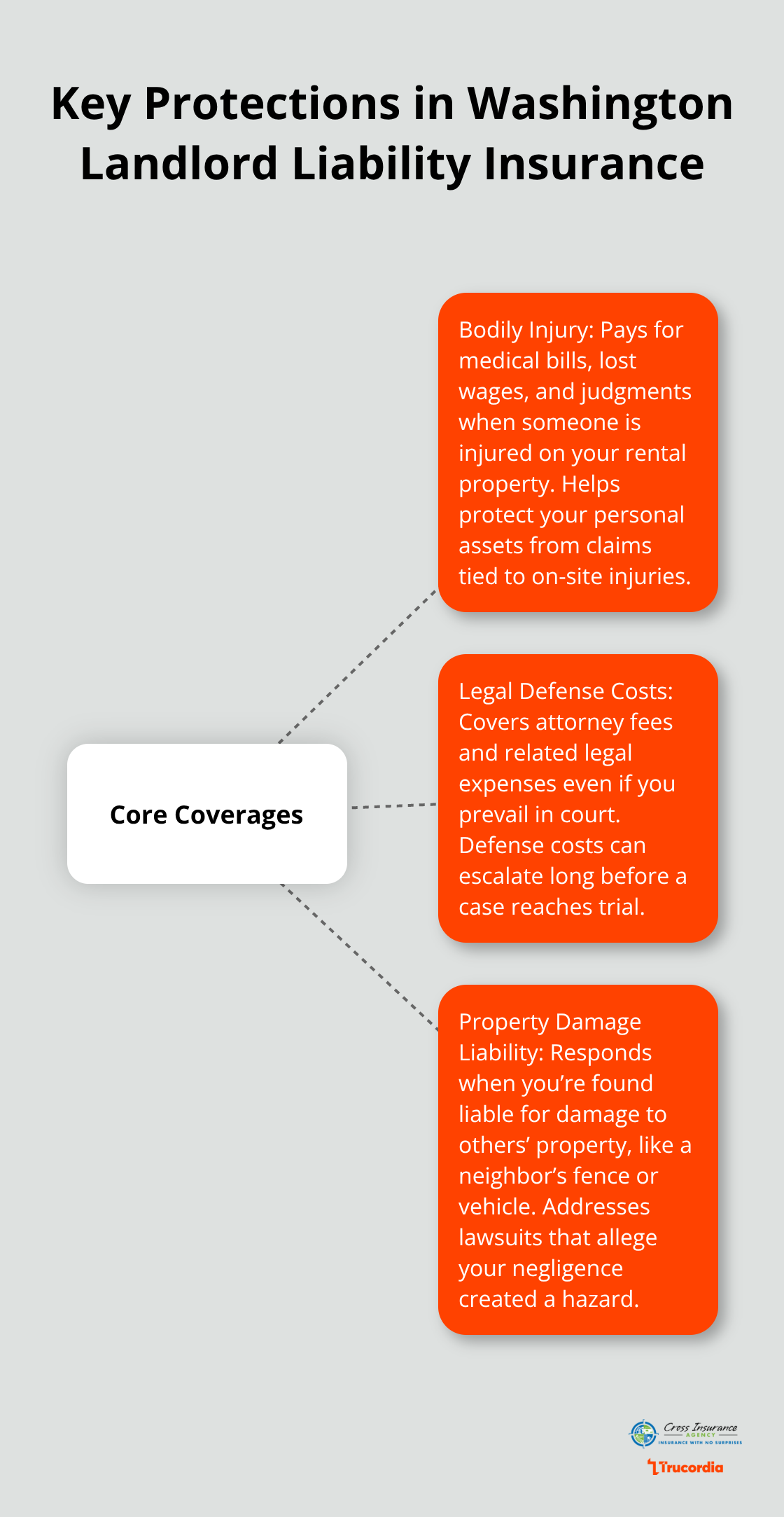
Bodily Injury Protection
Landlord liability insurance protects you when someone gets hurt on your rental property. When a tenant slips on icy stairs and breaks their leg, or a guest at a tenant’s party sues you for injuries, this coverage pays their medical bills, lost wages, and court judgments. Without this coverage, you’re personally liable for these expenses, which means creditors can pursue your personal assets, not just rental income.
Legal Defense Costs
The policy also covers legal defense costs, which can exceed $50,000 before a case even reaches trial. Even if you win the case, you’ve already paid thousands in attorney fees. This protection matters because the legal system doesn’t care whether you’re ultimately found liable-your defense costs mount regardless.
Property Damage Liability
Accidents happen beyond the tenant’s control, and property damage liability responds when they do. If you’re found liable for damaging a neighbor’s fence or their vehicle on your property, this coverage protects you. A guest injured on your property might sue, claiming your negligence allowed the hazard to exist-property damage liability addresses these situations.
Selecting the Right Coverage Limits
Standard policies typically offer $300,000 to $1,000,000 in liability limits, but your actual needs depend on your property type, location within Washington, tenant demographics, and local court award trends. A modest three-unit building and a 20-unit complex have vastly different exposure levels. Your specific property risks should guide your coverage limit selection, since underinsuring creates gaps that leave you vulnerable.
Why Washington’s Legal Climate Makes Liability Coverage Non-Negotiable
Washington’s Tenant Protection Laws Shift Risk to Landlords
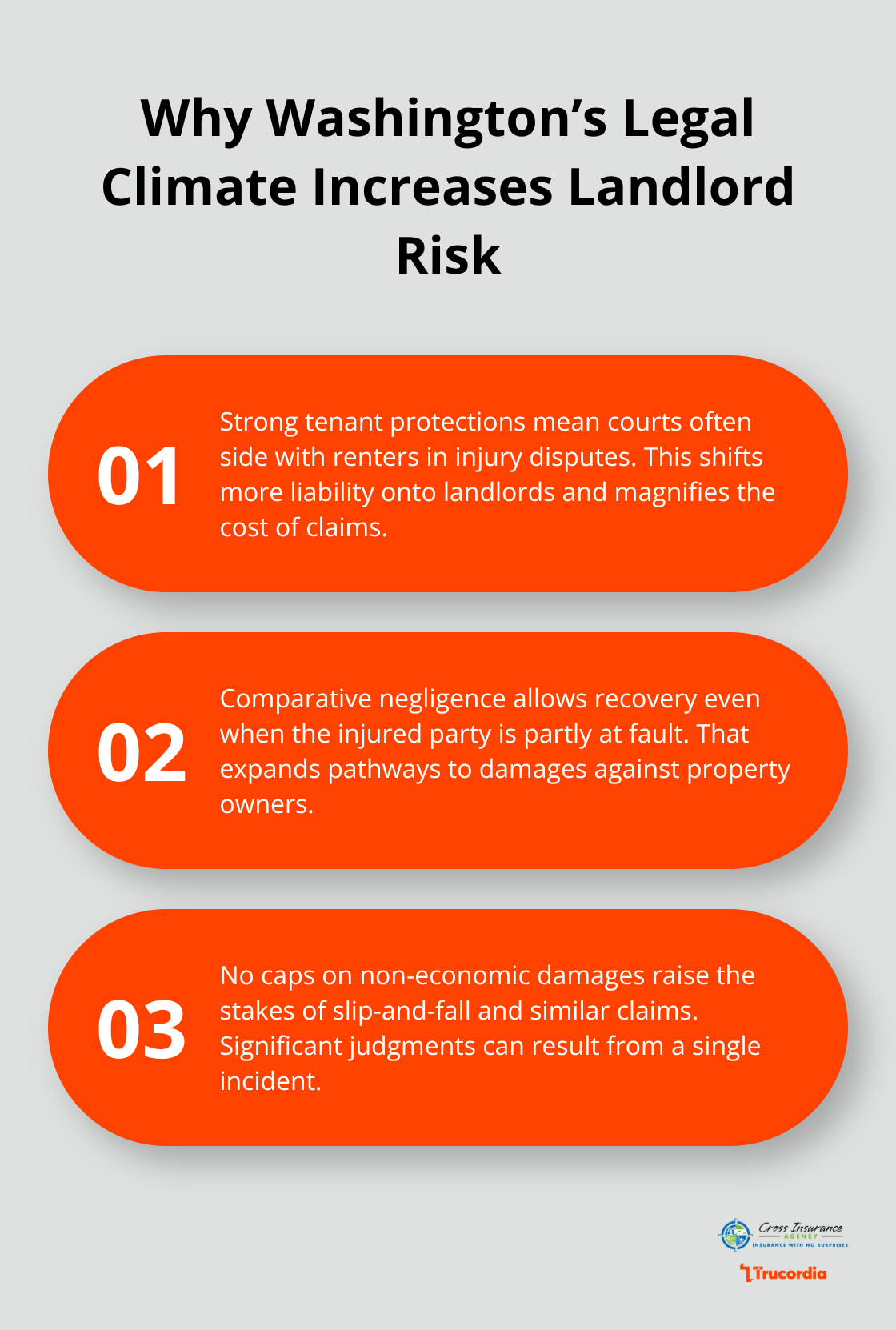
Washington state’s tenant protection laws create significant liability exposure for landlords. The state has some of the strongest renter protections in the country, which means courts often side with tenants in injury disputes. Washington’s comparative negligence standard allows injured parties to recover damages even if they’re partially at fault, shifting more financial risk onto property owners.
A tenant injured on your property can argue you failed to maintain safe conditions, and Washington courts frequently award substantial damages in these cases. Additionally, Washington has no caps on non-economic damages like pain and suffering, meaning a single slip-and-fall claim can result in significant judgments. This legal environment makes liability coverage not optional-it’s a business requirement.
The Rising Cost of Premises Liability Claims
Premises liability lawsuits against rental property owners have increased steadily over the past decade. The Insurance Information Institute reports that the frequency of premises liability claims continues to rise nationally, and Washington’s tenant-friendly courts make the state particularly vulnerable to higher claim costs.
An uninsured judgment can force you into personal bankruptcy or require selling off properties to satisfy court orders. Legal defense costs alone can be substantial before you settle claims, with total payouts extending well beyond your annual rental income. Operating without adequate liability coverage means one accident could eliminate years of profit and jeopardize your entire rental portfolio.
The Hidden Costs of Going Uninsured
The financial devastation of an uninsured claim extends far beyond the immediate judgment. You’ll face difficulty obtaining future financing, higher insurance premiums once you finally get coverage, and potential loss of financing from existing lenders who discover gaps in your protection. Lenders view uninsured claims as red flags that signal poor risk management.
These cascading consequences can damage your ability to refinance properties, purchase additional rental units, or access favorable loan terms. The cost of operating without proper coverage compounds over time, making liability insurance an investment that protects not just your current properties but your future growth as a landlord. Understanding your specific property risks helps you select the right coverage limits that actually match your exposure.
How to Choose the Right Landlord Liability Policy for Your Rental
Assess Your Property’s Real Risk Factors
Start with an honest assessment of what could go wrong on your specific property. A four-unit apartment building with exterior stairs in Seattle faces different risks than a single-family home in a suburban area. Walk your property and document hazards: icy walkways in winter months, poor lighting near entrances, aging plumbing that could cause water damage to adjacent units, or common areas where guests frequently gather. Washington’s rainy climate creates slip-and-fall hazards that persist longer than in drier states, so properties with outdoor stairs or decks warrant higher coverage limits. Properties near busy streets or with pools, hot tubs, or trampolines attract more litigation. Once you identify your specific risks, you can justify coverage limits that actually protect you rather than guessing at industry averages.
Match Coverage Limits to Your Exposure
Coverage limits between $300,000 and $1,000,000 work for some properties, but a densely occupied building or one with documented accident history needs $1,000,000 or higher. Deductibles typically range from $500 to $2,500-a higher deductible lowers your premium but means you pay more out-of-pocket for smaller claims. If your property has experienced claims before, a lower deductible protects you from repeated out-of-pocket expenses that accumulate quickly.
Compare Quotes Across Multiple Carriers
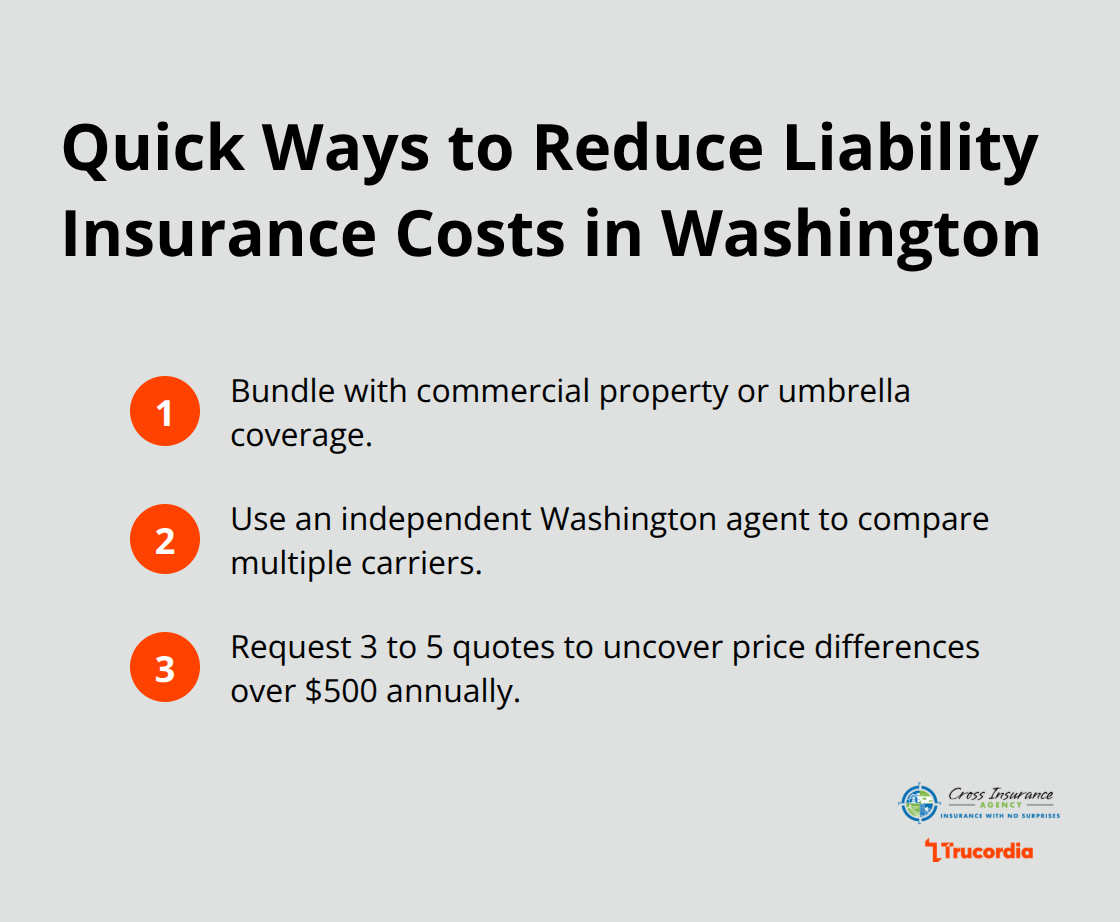
Bundling landlord liability with other coverage types produces real savings that most property owners overlook. Adding landlord liability to a commercial property policy or combining it with umbrella coverage often costs 15-25% less than purchasing policies separately. An independent agent in Washington can shop multiple carriers and show you exactly which combinations save money for your specific situation. Carriers like State Farm, Allstate, and regional providers each price landlord liability differently based on your property details, claims history, and location within Washington. Getting three to five quotes takes roughly two hours but reveals price differences that can exceed $500 annually on the same coverage.
Review and Adjust Your Coverage Annually
Annual reviews catch coverage gaps when your property changes-adding a unit, converting to short-term rentals, or upgrading amenities all affect your liability exposure and should trigger policy adjustments. Your coverage needs shift as your rental operation evolves, and policies that protected you last year may leave gaps this year.
Final Thoughts
Your landlord liability insurance WA policy requires regular attention as your property and business evolve. When you add units, upgrade amenities, or shift to short-term rentals, your coverage must shift with those changes. Annual policy reviews catch gaps that develop over time and let you adjust coverage limits based on actual claim trends in your area and your property’s performance history.
Property maintenance directly reduces your liability exposure and strengthens your insurance position. Washington’s wet climate demands consistent attention to drainage, walkways, and exterior stairs where slip-and-fall accidents happen most frequently. Document your maintenance efforts with photos and records (this documentation proves you took reasonable steps to prevent injuries if a claim arises), because well-maintained properties experience fewer accidents and receive better renewal rates from insurers.
Working with local agents who understand Washington’s specific legal environment makes a real difference in your coverage decisions. An agent familiar with Washington’s tenant protection laws, comparative negligence standards, and local court award patterns can recommend appropriate coverage limits that actually match your exposure. Connect with us at Cross Insurance Agency to review your current coverage and confirm your policy reflects your actual business needs.
Disclaimer: The information provided in this blog is for general informational purposes only and does not constitute legal, financial, or insurance advice. Coverage options, terms, and availability may vary. Please consult with a licensed professional for advice specific to your situation. Artificial intelligence may have been used to generate text and images in some blog articles.


