Keeping your Home in Olympia, WA Safe from Carbon Monoxide Poisoning

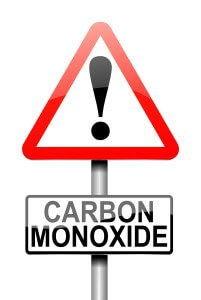
Carbon Monoxide Safety in Olympia, WAOur homes should be places of comfort, relaxation and memories. That’s why it is important to protect your homes from dangers such as fires, theft and one people too often overlook: carbon monoxide (CO).

Carbon monoxide is an odorless, colorless gas that is produced when fuels such as wood, oil, natural gas and propane are not efficiently burned. Carbon monoxide can be produced by your household equipment such as generators, lawn mowers, barbeques and your furnace.

The Consumer Product Safety Commission reported that each year, 170 people in the United States are killed by carbon monoxide poisoning in their homes. These deaths can be caused when equipment malfunctions or when the products are used in areas that are not properly ventilated, such as a closed room.

The Center for Disease Control lists the common symptoms of carbon monoxide poisoning as headache, dizziness, vomiting, chest pain and confusion.

The good news about all this is that protecting your family from CO poisoning is relatively simple.

Follow these tips for Carbon Monoxide poisoning prevention:

  • Always have your home’s gas burning furnace, water heater and fireplace serviced by a professional. A professional will ensure the appliance is burning properly and is properly vented.
  • Install carbon monoxide detectors on every floor of your home (newly constructed homes, apartments and condominiums will likely already have these installed). For an extra level of protection, consider installing a CO alarm in every bedroom of your house.
  • Never leave a car idling in a garage
  • Keep portable generators at least 20feet from an open window
  • Never use a charcoal barbeque inside a home, tent or camper
  • Never use a gas oven to heat a home

Even a single carbon monoxide detector in your home could save lives. If you rent a home or apartment that does not currently have a carbon monoxide detector, ask your landlord to provide one. Many states require that homes have them installed. Review your state laws here.

If you have questions about your home, auto or commercial insurance, call the insurance agents at Trucordia. They have locations throughout Washington State in Olympia, Centralia, Vancouver and Marysville. They have years of insurance experience and can help you insure everything from your home to your auto or business Insurance. They live where you do and are an independent insurance agent, so they can help you find the right company to fit your needs. You can also check out their website, 24/7.
How to Keep and Maintain a Fire Extinguisher in your Home

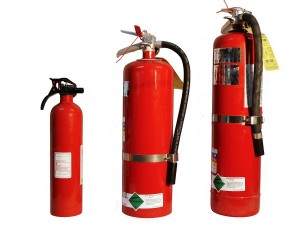
Fire Extinguisher Safety in Olympia, WAYour home is much more than the place that you live or where you sleep. It is where you create memories, raise a family and have family and friends over to visit. Keeping everyone safe while they’re there should be a first priority. But, when was the last time you looked at your fire extinguisher to ensure it would perform if a fire broke out in your home?

A fire extinguisher is arguably one of the most important pieces of safety equipment in your home or apartment (second only to a smoke detector) and should be kept up at regular intervals. Just because you have a fire extinguisher in the home doesn’t mean that it will function in case of emergency. With these tips, however, you’ll be better set in case of emergency and in the event you have to use an extinguisher to put out a fire.

1.) Inspect your extinguisher once per month.

Inspecting your fire extinguisher will ensure the canister is charged and ready to work in case of a fire. You should inspect the extinguisher for damage and check the charge meter (typically a green to red meter near the top). Try to inspect your fire extinguisher monthly to ensure it is where you left it and that the extinguisher is in good shape.

2.) Maintenance

Your fire extinguisher really doesn’t require much, but should be maintained at least one time per year. Like any pressurized system, the canister will lose pressure over time. Ensure that it is “charged” and if required, get it recharged or replace the extinguisher.

Other items that should be considered are:

  • Is your extinguisher accessible? Are there items in front of your extinguisher that would cost you time or block your access to it in case of emergency?
  • Is the needle pointing to green on your extinguisher’s gauge?
  • Is the nozzle in good shape (perhaps it was dropped and damaged). If not, replace the extinguisher.
  • Is the pin intact and appear to be in good shape?
  • Is the canister itself in good shape and free of dents, rust or obvious signs of leaks?

Keeping your fire extinguishers in your home in good working order is just one of the important steps to keeping your home and house guests safe. It is also a way to avoid a costly and emotional homeowner’s insurance claim. If you have questions about your home, auto or commercial insurance, call the insurance agents at Trucordia. They have locations throughout Washington State in Olympia, Centralia, Vancouver and Marysville. They have years of insurance experience and can help you insure everything from your home to your auto or business Insurance. They live where you do and are an independent insurance agent, so they can help you find the right company to fit your needs. You can also check out their website, 24/7.


Protecting your Home and Guests from Fireplace Dangers in Olympia, WA

A fireplace is one of a home’s greatest features and can bring an ambiance and warmth to a space to create that perfect night in on a cold evening. As important as they are for creating the perfect mood, it is equally important to ensure that you properly maintain your fireplace.

Fireplace Safety and Maintenance

Wood Burning Fireplaces

  • Ensure your flue is open and clear from obstructions. It is important to take a peek up your chimney (before lighting your fire of course) to be certain the chimney is not blocked. Often time birds or other animals will make shelter in your chimney in the off-season, so be sure to check if you haven’t used your fireplace in some time.
  • Keep glass doors open. If you have a normal, wood burning fireplace, keep the screens closed, but the glass doors open. The doors are usually designed to keep a room insulated when not in use, not to keep the fire in. A chimney requires air to be pulled through and up the chimney, so keeping the doors open allows this air to flow properly while your screen keeps debris and sparks from flying out onto your carpet or other flooring.
  • Install a chimney cap. Chimney caps keep rain from damaging your chimney and keeps birds and other critters out. You should also put a screen across the chimney to prevent sparks from flying out and onto roofs or lawns potentially causing a fire.
  • If you have burned 70-100 fires call a chimney sweep to come and inspect your chimney. They’ll clean out any build-up and do a visual inspection to ensure your chimney is healthy and structurally sound.

Gas Burning Fireplaces         

  • Install an oxygen-depletion sensor, commonly known as a “safety pilot.” These safety pilots will turn off the gas if they detect the fireplace isn’t functioning properly or if too much carbon monoxide builds up.
  • Install carbon monoxide detectors near the fireplace and every floor of your home. A couple per floor would be ideal.
  • Maintain proper distance from the fireplace. Keeping objects away from the fireplace is the best way to avoid a fire or smoke damage. Keep curtains and other fabrics at least 3 feet away from the outside edge of the fireplace.
  • Contact your gas company or call 911 immediately if you smell gas in your home.
  • Clamp your fireplace damper open to prevent carbon monoxide from entering your home.

With all fireplaces it is important to keep your children and pets away. Burning fireplaces in a home can deplete the home of oxygen and replace it with carbon monoxide. Keep your carbon monoxide alarms in working order to ensure your family stays safe.

Keeping your fireplaces in your home in good working order is just one of the important steps to keeping your home and house guests safe. It is also a great way to avoid a costly and emotional homeowner’s insurance claim.

If you have questions about your home, auto or commercial insurance, call the insurance agents at Trucordia. They have locations throughout Washington State in Olympia, Centralia, Vancouver and Marysville. They have years of insurance experience and can help you insure everything from your home to your auto or business Insurance. They live where you do and are an independent insurance agent, so they can help you find the right company to fit your needs. You can also check out their website, 24/7.

Over the course of a year, people often have many life changes. Some great, some small and some relate directly to your insurance. Do you know when you should call your insurance agent and let them know that (blank) has changed?

Updating your insurance in Washington:

  • Auto Insurance: Did you purchase a new (or new to you vehicle) or are you planning on it? Updating your insurance agent with these details will mean that your vehicle is properly insured should an accident occur. It is often required to show proof of insurance when purchasing a new vehicle, so letting your agent know ahead of time may save you a headache. Let your agent know if you move or if your commute is further or shorter. This may affect your insurance policy as premiums can be influenced by your zip code.
  • Home Insurance: If you move or add elements to your home like a pool or trampoline, you should let your agent know. Are you planning on making home improvements after the New Year? Let your agent know! Not only can some improvements increase the value of your home, but you may need permits or a licensed and bonded contractor. Your agent may be able to assist you with that process. The beginning of the year is also a great time to assess your home insurance, schedule collectibles or other valuables to your policy and explore the need for additional insurance like flood or personal umbrella insurance.
  • Personal Details: There are so many of life’s great moments that your insurance agent will be involved. Your agent should be in the know if you get married, grow your family, have a teen driver or send a child off to college. There are crucial updates to your insurance policy that need to happen in many of these scenarios. Your agent can also assist you should your child need renter’s insurance for their dorm or living situation while at college.

Your insurance agent is more than just that, they can help you navigate the complicated insurance waters and help make updating your insurance policies a breeze. Let the local, independent insurance experts at Trucordia in Olympia, WA assist you with your insurance needs. Whether it be updating an auto policy, getting your college-bound child set with a renter’s policy or making sure that you have additional home coverage with a personal umbrella policy, Trucordia is here to help. Visit their insurance website 24/7 for more information about wide range of personal insurance products they offer.

During the holiday season, most of us are focused on family gatherings, good food and giving back. What we may not be thinking about are the thefts that rise during the holidays.  Homes are burgled, car’s contents stolen and identities thieved. There are a few ways that you can help protect yourselves from thieves this holiday season.

Holiday theft protection in Washington:

  • Your home: With all those extra presents sitting around the house, your home can become a target. As soon as you bring the new purchases into your home, take photos and write down serial numbers of your items. Keeping the receipt will also help if you need to file a home insurance claim due to theft. Don’t advertise on social media that you will be/are traveling during the holidays. If you are travelling, let your neighbors and postman know. Your neighbors may be able to lend a watchful eye and perhaps collect any mail or packages that could accumulate on your doorstep. Nothing says “we aren’t home” like a week’s worth of mail or a stoop full of boxes.
  • Your car: If you plan on having a marathon shopping day, do not leave your purchases where they can be seen. This applies to the car trip home as well. If you are planning to make stops, lock your purchases in the trunk and disable the trunk release. That may help deter thieves looking for a quick score. You should never store purchases in your vehicle for an extended period of time. Auto insurance does not cover items that are not a part of your vehicle. For example, if your car was broken into and a wallet and stereo were stolen you may be reimbursed for the stereo but may not be covered for the wallet. Personal possessions are likely omitted from your car insurance coverage.
  • Your identity: We’ve talked about identity theft before, but during the holidays, this type of theft could be quite common. Make sure when you are out and about to keep a close watch on your wallet or purse. Keep records of your cards and recent transactions and checking your billing statements often to spot any discrepancies. If you do a lot online shopping, make sure to verify that the sites you purchase from are reputable and have good security. Sites that are https:// secured or Norton or Google verified are a great place to start. If you do notice a fraudulent charge or suspect your identity has been stolen, be sure to alert your bank and in some cases, your insurance agent (as home insurance can sometimes cover identity theft), immediately.

With these holiday theft protection tips, keeping your home, car and identity safe during the holidays (and the rest of the year) doesn’t have to be hard work! Talk to your local, Olympia, WA insurance agent to see if your home insurance offers protection against identity theft. Trucordia can also assist you with scheduling major purchases like jewelry, art or collectibles to your home insurance and make sure that your vehicle is covered in case of theft or vandalism. You can also visit their insurance website 24/7 for more information about the other insurance products they offer like personal umbrella insurance.

There is no escaping it now, the holidays are upon us. No matter how you celebrate, you have likely added some holiday décor to your home. Lights, candles and festive plants add a wonderful, warm ambiance to areas of your home but take some extra steps to ensure that your décor pieces don’t wreak havoc on your holiday. Avoiding Decor Disasters in Washington: • Holiday trees: Holiday trees, or bushes, are a common theme in many homes around our state. They may be opulent or simple, real or fake, faux snowed or natural. Each holiday tree requires a level of care to make sure that it does not turn into a fire hazard. If your tree is real, do not forget to water it! Trees will naturally lose moisture over the course of their holiday run. Household pets may steal water from under the tree and running the heater or fireplace may dry it out as well. A dry holiday tree can become a fire hazard if left unattended. According to the National Fire Protection Association, “Between 2007-2011, U.S. fire departments responded to an average of 230 home fires that started with Christmas trees, per year.” If your tree is dry, make sure to water it regularly and turn off holiday lights. It is also a best practice to not place a holiday tree near a fireplace or heater. • Lights: Holiday lights are used inside and outside of homes to brighten up the night. When placing your lights, make sure to place the correct type for the environment you are in. Inside lights for inside your home, outdoor lights for outside of your home or indoor/outdoor lights for either. If your lights have lived in storage since the last holiday, make sure to check that they are in proper working order free of wire frays or cuts. Frays or cuts in the wires could result in a fire under the right conditions. • Plants: Holiday plants are all over the stores. Mistletoe and holly, wreathes and poinsettias are often incorporated into a holiday décor scheme. There is a caveat: mistletoe, holly and poinsettias are all poisonous to both pets and people. If you plan on making any of these plants apart of your holiday decorations, make sure that they are up and out of the way, free from little hands and pet nibbles. If a child or adult happens to ingest any of these plants, a call to Poison Control (800-222-1222) is a must. If it is your pet, call your vet or local emergency vet immediately. By taking a few extra steps like unplugging your holiday lights before you go to bed or when you leave the house, can help you avoid a decor disaster this holiday season. Before the holiday décor goes up, make sure to talk to your local, independent insurance agents in Olympia, WA about your homeowner’s insurance. Trucordia can assist you with any questions you may have, like “Does my homeowner’ insurance cover accidental fires?” Their expert agents can walk you through your policy and even add additional coverage like personal umbrella insurance should you want extra protection beyond your homeowner’s insurance. Be sure to check out their insurance website 24/7 for the other insurance products they sell and for more holiday tips visit the U.S. Consumer Product Safety Commission tip sheet.

Planning on hosting a Thanksgiving feast this year? While you are busy getting the ingredients, décor and all the last minute details put together, don’t forget to think about some of the safety issues that surround hosting a gathering.

Holiday Safety Issues in Washington:

  • The food: No bones about it, Thanksgiving usually includes a lot of food. Food prep safety is very important when dealing with the main event: the turkey. Unless you have purchased a fresh turkey (lucky you!) you will have to unthaw your turkey which can take quite a while. According to the United States Department of Agriculture Food Safety and Inspection Service, the two best – and safest – methods for unthawing a turkey is in the fridge with a temperature of 40 degrees or below. To unthaw a turkey with this method, you will need to allow 24 hours for every four to five pounds of bird. The other option is a cold water bath in the sink, for which you should allow 30 minutes per pound of bird to achieve total defrost. For either of these methods, you will need to make sure that your work/storage space for the turkey is cleaned and sanitized. Make sure to wash your hands well after handling raw meat, as you could spread bacteria like salmonella to other dishes on your table. If you plan on stuffing your turkey with dressing, make sure that the internal temperature of your dressing reaches at least 165 degrees Fahrenheit to help ensure safety. Your turkey should also be cooked to at least 165 degrees Fahrenheit, and the best spots to check the turkey’s internal temperature are the thick portions of the breast, thigh and wing. After your feast has been consumed, take special care to ensure your food is cooled and put away properly as according to the Centers for Disease Control food poisoning spikes during the holidays.
  • The Party: There are so many elements that go into a fun Thanksgiving celebration. Whether your gathering includes lots of décor, watching football or enjoying some spirits, there are a few things that you should be aware of when hosting guests. No one wants to think that a guest will be injured at their gathering, but it can be an unfortunate reality for some. There are a few things that you can do to help mitigate the chance that one of your guests will be injured during your gathering. Make sure that all décor is out of range for tripping. This may mean rearranging furniture or removing floor-based décor items. If you plan on having open flames during your celebration, take special care to make sure that flames are away from areas where they can be easily knocked over or catch other décor items on fire.

We hope that your Thanksgiving feast goes off without any holiday safety issues and everyone makes it home safely with full bellies. Before your celebration, talk to your Olympia, WA insurance agent, Trucordia.  Your local insurance experts at Trucordia can assist you with ensuring that your home insurance policy includes coverage for fires and liability. You can also increase your liability protection with a personal umbrella insurance policy, just ask your agent if your situation may benefit from a policy like this. You can also visit their insurance website 24/7 to see about the other insurance products they sell.

Going outside during the winter months can be a production. You may need gloves, a hat, a heavy coat, boots and maybe more depending on the weather. Your car, the vehicle you rely on to get you to and from home and work, needs some winter prep as well. While you can’t put a coat on your car, you can do some simple winterizing to help ensure that your vehicle will run smoothly and help keep you safe in the cold and inclement weather.

Winterizing your vehicle in Washington:

  • The Basics: There are a few things that your car should have during the winter: an emergency kit that contains: bottled water, energy bars or other non-perishable food, first aid supplies, gloves, a blanket, road flares, a “Help” sign and a flashlight are just a few things that make up a great emergency kit. Should your vehicle stop working and you are stranded, this kit could keep you safe and comfortable.
  • Sight and Traction: It is crucial to be able to see where you are going at all times while on the road. If your line of sight is blocked due to rain, snow or debris, you could be in danger of an accident. Before the weather turns poor, replace your windshield wipers and check to make sure that your defroster is in working order. Snow tires and chains are an option for areas that see snowfall. Plan ahead and make an appointment early to get your snow tires on (once snow tire use is permitted by law) because once the first snow falls, tire centers tend to get much busier.
  • Under the hood: Before your car is truly ready for winter, there are a few more things you should consider. When was the last time you changed your battery? Typically, batteries have a three to five year lifespan, however the winter months can be quite hard on them. The pull of defrosters and heaters may cause an older battery to fail, leaving you stranded. Replacing your battery in the fall before the weather turns is a safe bet. Check all fluids, like oil, anti-freeze/coolant. Anything that is low, should be topped off and/or changed. This is also a great time to do a visual check for leaks. Speaking of topping off, it is best practice to keep a full to mostly full gas tank during the cold months.  Due to the daily temperature fluctuations in the winter time, condensation can form on the inside of a gas tank. If that happens, water can get into the fuel lines, potentially freezing, blocking the line and causing damage.

Help keep yourself and others safe on the road this season by winterizing your vehicle. A few extra tasks could help save you from an accident, auto damage and a costly insurance claim. A change of season is also a great time to look at your insurance coverage. If you need to update or change your auto insurance policy, let the experts at Trucordia in Olympia, WA know! They can also assist you with other types of coverage like year-round motorcycle insurance and more. Visit their insurance website 24/7 for more information about the insurance products they offer.

Fall is one of our favorite seasons! The leaves, the cooler, shorter days and of course, pumpkin spice everything. There are some seasonal dangers associated with fall that can be quite hazardous if one is not prepared. Knowing what these dangers are and how to anticipate them can mean the difference between a lovely, relaxing fall and having to file a potentially costly insurance claim.

Seasonal Fall Dangers in Washington:

  • The Road: A drive to see the fall colors can be relaxing and enjoyable for all. You should be aware of changing weather conditions. Fall brings rain, wind and fog. Standing water on the roadways can create a slick, ice-like surface making it difficult to control the vehicle or hydroplane. If you happen to be in an area where leaves are falling, the leaves have a similar ice-like effect on the car. Another potential danger while in the car is fog. Fog can seemingly roll in from nowhere and impede your ability to see road hazards like traffic, debris, etc. For all these dangers, the best course of action is attentive driving. Reduce your speed, increase your following distance and stay alert to changing conditions.
  • The Wind: The winds returns, sometimes with a vengeance, during the fall. The wind can blow cars around the road and debris into the road, so during an episode of high winds, be alert to debris that may be entering the roadways. Trees and tree branches can also be a hazard. Trees that are diseased or branches that are low-hanging can become dislodged and cause massive amounts of damage to homes, garages and cars. The best way to try and stave off falling trees and branches is to trim all low-hanging branches that reside over dwellings. If your neighbors have tree branches that sit over your dwellings, work with them to get the branches removed. Also, if you suspect your trees to be diseased, have them inspected and removed.
  • The Water: A gentle fall rain can be soothing, but let’s be honest the rain in the fall tends to be more torrential. Fast moving storms can overwhelm storm drains (that could already be blocked with leaves or other debris) and the oversaturated ground cannot absorb the water resulting in large amounts of standing water or a flash flood. Remember that a standard homeowner’s insurance policy does not cover outside water entering your home due to rain or flood. If you live in an area that is prone to flooding, having sandbags on hand in case of a storm could be the difference between just mopping off your front porch and filing a flood insurance claim.

With a little preparation, you may be able to avoid an unpleasant situation and a costly insurance claim. The insurance experts at Trucordia in Olympia, WA can assist you with setting up policies like auto insurance, home insurance and flood insurance. If you have questions about your current insurance policies or about the potential fall dangers in the Olympia area, give your Trucordia agent a call. You can also visit their insurance website 24/7!

The home is a safe haven that is often impenetrable from the troubles and dangers of the outside world. We don’t often think about the unseen risks that could be lurking in homes, although there are a few gases that can be potentially hazardous to your health. All three of these gases are colorless and two are odorless, so you may not be aware that you could be in danger.

Hidden home dangers in Washington:

  • Radon: Radon is a colorless, odorless radioactive gas that can seep into a home through cracks in the walls or foundation and through other gaps in the structure of the home. According to the Environmental Protection Agency radon “comes from the natural decay of uranium that is found in nearly all soils…and…nearly 1 out of every 15 homes in the U.S. is estimated to have elevated radon levels.” Radon can contribute to the development of lung cancer if one is exposed for long periods of time. Fortunately, testing for radon in the home is relatively easy and cheap. If it is found that you do have radon in your home, repairs can be done either by you or a contractor. Check out the EPA’s Consumer’s Guide to Radon Reduction for more information about radon testing and repair. It is important to note that if you do find radon in your home and you plan on selling it, you will need to disclose this information to the buyers and may be asked to take care of the issue prior to the close of the sale.
  • Carbon Monoxide: We have all heard about the dangers of carbon monoxide in the garage, but it can get into your house through various sources. Carbon monoxide is a colorless, odorless gas that can make you feel dizzy, nauseated and sleepy. If exposed for too long, CO can cause suffocation. Sources that can leak CO include gas space heaters, chimneys, furnaces and gas generators. Most new homes and apartments have CO detectors installed, however if your home does not have one, they are relatively inexpensive. To help keep CO levels in your home down, make sure that all gas appliances are in proper working order. Ensure your chimney flues are open and the chimney is clear when lighting a fire and never use a generator in an enclosed space. If you suspect that you have a CO leak or CO poisoning call 911.
  • Natural Gas: You know the smell of natural gas, while colorless, smells like rotten eggs. Natural gas leaks can occur when pilot lights for stoves or furnaces go out. The can also occur when there is a leak or puncture in the line. Natural gas is a highly combustible material, so if you suspect a leak, you’ll want to leave your home and call the gas company. They will send out a technician to shut off the gas and determine the problem.

While these gas intrusions do not happen often and can be remedied quite quickly, being prepared with carbon monoxide monitors and testing for radon can help stave off a potentially hazardous situation before it starts. Ask the local insurance experts at Trucordia in Olympia, WA about any discounts for which you may be eligible. They can assist you with discounts, amending an existing policy or setting up a new policy. Visit their insurance website 24/7 to learn more about home insurance or the other insurance products they offer like auto insurance or flood insurance.