Answers to Your Rock Chip Claims

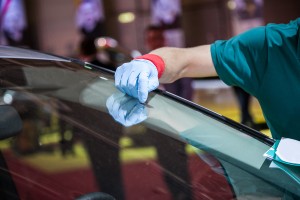
Answers to Your Rock Chip ClaimsWe’ve all seen the tents around claiming, “Free rock chip repair!” but clearly there is a hidden cost somewhere. Sure, the insurance companies will pay the people at the tent to inject an epoxy into the chip in hopes that it doesn’t run and turn into a non-repairable crack. After all, the insurance company clearly sees that $40 is better than the $250 to have the windshield replaced.

So the question is: Can a rock chip claim impact my insurance rates? Short answer is yes, it is possible.

Depending on your insurance company you may upset a delicate balance of claims loss. Most insurance companies use rating factors into their algorithms such as age, zip code and certainly previous losses. Some insurance companies claim that people who turn in multiple glass claims have an overall higher loss rate and cost them more money in future claims. Furthermore, it depends on how many claims you have over a certain period of time. For instance, if you file a theft claim, then you have a rock chip claim the next week, this may flag your policy for filing too many insurance claims over a certain period of time generating a rate increase. This happens because when you stop at a rock chip repair tent they will ask you for your policy number and turn in an insurance claim so they can get paid (if you have comprehensive insurance).

Not all insurance companies do this and telling which ones do and which ones don’t can be very difficult. Trust your local insurance agent to place you in the best place for your insurance needs. If you’re a heavy commuter and typically need a new windshield every year, perhaps your agent can determine what company they offer that is a bit more lenient about this than others. Some companies even offer zero deductible glass replacement. Regardless of your situation, always discuss your insurance options with your licensed insurance agent.

If you have questions about your home, auto or commercial insurance, call the insurance agents at Trucordia. They have locations throughout Washington State in Olympia, Centralia, Vancouver and Marysville. They have years of insurance experience and can help you insure everything from your home to your auto or business Insurance. They live where you do and are an independent insurance agent, so they can help you find the right company to fit your needs. You can also check out their website, 24/7.

Over the course of a year, people often have many life changes. Some great, some small and some relate directly to your insurance. Do you know when you should call your insurance agent and let them know that (blank) has changed?

Updating your insurance in Washington:

  • Auto Insurance: Did you purchase a new (or new to you vehicle) or are you planning on it? Updating your insurance agent with these details will mean that your vehicle is properly insured should an accident occur. It is often required to show proof of insurance when purchasing a new vehicle, so letting your agent know ahead of time may save you a headache. Let your agent know if you move or if your commute is further or shorter. This may affect your insurance policy as premiums can be influenced by your zip code.
  • Home Insurance: If you move or add elements to your home like a pool or trampoline, you should let your agent know. Are you planning on making home improvements after the New Year? Let your agent know! Not only can some improvements increase the value of your home, but you may need permits or a licensed and bonded contractor. Your agent may be able to assist you with that process. The beginning of the year is also a great time to assess your home insurance, schedule collectibles or other valuables to your policy and explore the need for additional insurance like flood or personal umbrella insurance.
  • Personal Details: There are so many of life’s great moments that your insurance agent will be involved. Your agent should be in the know if you get married, grow your family, have a teen driver or send a child off to college. There are crucial updates to your insurance policy that need to happen in many of these scenarios. Your agent can also assist you should your child need renter’s insurance for their dorm or living situation while at college.

Your insurance agent is more than just that, they can help you navigate the complicated insurance waters and help make updating your insurance policies a breeze. Let the local, independent insurance experts at Trucordia in Olympia, WA assist you with your insurance needs. Whether it be updating an auto policy, getting your college-bound child set with a renter’s policy or making sure that you have additional home coverage with a personal umbrella policy, Trucordia is here to help. Visit their insurance website 24/7 for more information about wide range of personal insurance products they offer.

During the holiday season, most of us are focused on family gatherings, good food and giving back. What we may not be thinking about are the thefts that rise during the holidays.  Homes are burgled, car’s contents stolen and identities thieved. There are a few ways that you can help protect yourselves from thieves this holiday season.

Holiday theft protection in Washington:

  • Your home: With all those extra presents sitting around the house, your home can become a target. As soon as you bring the new purchases into your home, take photos and write down serial numbers of your items. Keeping the receipt will also help if you need to file a home insurance claim due to theft. Don’t advertise on social media that you will be/are traveling during the holidays. If you are travelling, let your neighbors and postman know. Your neighbors may be able to lend a watchful eye and perhaps collect any mail or packages that could accumulate on your doorstep. Nothing says “we aren’t home” like a week’s worth of mail or a stoop full of boxes.
  • Your car: If you plan on having a marathon shopping day, do not leave your purchases where they can be seen. This applies to the car trip home as well. If you are planning to make stops, lock your purchases in the trunk and disable the trunk release. That may help deter thieves looking for a quick score. You should never store purchases in your vehicle for an extended period of time. Auto insurance does not cover items that are not a part of your vehicle. For example, if your car was broken into and a wallet and stereo were stolen you may be reimbursed for the stereo but may not be covered for the wallet. Personal possessions are likely omitted from your car insurance coverage.
  • Your identity: We’ve talked about identity theft before, but during the holidays, this type of theft could be quite common. Make sure when you are out and about to keep a close watch on your wallet or purse. Keep records of your cards and recent transactions and checking your billing statements often to spot any discrepancies. If you do a lot online shopping, make sure to verify that the sites you purchase from are reputable and have good security. Sites that are https:// secured or Norton or Google verified are a great place to start. If you do notice a fraudulent charge or suspect your identity has been stolen, be sure to alert your bank and in some cases, your insurance agent (as home insurance can sometimes cover identity theft), immediately.

With these holiday theft protection tips, keeping your home, car and identity safe during the holidays (and the rest of the year) doesn’t have to be hard work! Talk to your local, Olympia, WA insurance agent to see if your home insurance offers protection against identity theft. Trucordia can also assist you with scheduling major purchases like jewelry, art or collectibles to your home insurance and make sure that your vehicle is covered in case of theft or vandalism. You can also visit their insurance website 24/7 for more information about the other insurance products they offer like personal umbrella insurance.

Going outside during the winter months can be a production. You may need gloves, a hat, a heavy coat, boots and maybe more depending on the weather. Your car, the vehicle you rely on to get you to and from home and work, needs some winter prep as well. While you can’t put a coat on your car, you can do some simple winterizing to help ensure that your vehicle will run smoothly and help keep you safe in the cold and inclement weather.

Winterizing your vehicle in Washington:

  • The Basics: There are a few things that your car should have during the winter: an emergency kit that contains: bottled water, energy bars or other non-perishable food, first aid supplies, gloves, a blanket, road flares, a “Help” sign and a flashlight are just a few things that make up a great emergency kit. Should your vehicle stop working and you are stranded, this kit could keep you safe and comfortable.
  • Sight and Traction: It is crucial to be able to see where you are going at all times while on the road. If your line of sight is blocked due to rain, snow or debris, you could be in danger of an accident. Before the weather turns poor, replace your windshield wipers and check to make sure that your defroster is in working order. Snow tires and chains are an option for areas that see snowfall. Plan ahead and make an appointment early to get your snow tires on (once snow tire use is permitted by law) because once the first snow falls, tire centers tend to get much busier.
  • Under the hood: Before your car is truly ready for winter, there are a few more things you should consider. When was the last time you changed your battery? Typically, batteries have a three to five year lifespan, however the winter months can be quite hard on them. The pull of defrosters and heaters may cause an older battery to fail, leaving you stranded. Replacing your battery in the fall before the weather turns is a safe bet. Check all fluids, like oil, anti-freeze/coolant. Anything that is low, should be topped off and/or changed. This is also a great time to do a visual check for leaks. Speaking of topping off, it is best practice to keep a full to mostly full gas tank during the cold months.  Due to the daily temperature fluctuations in the winter time, condensation can form on the inside of a gas tank. If that happens, water can get into the fuel lines, potentially freezing, blocking the line and causing damage.

Help keep yourself and others safe on the road this season by winterizing your vehicle. A few extra tasks could help save you from an accident, auto damage and a costly insurance claim. A change of season is also a great time to look at your insurance coverage. If you need to update or change your auto insurance policy, let the experts at Trucordia in Olympia, WA know! They can also assist you with other types of coverage like year-round motorcycle insurance and more. Visit their insurance website 24/7 for more information about the insurance products they offer.

College is an exciting place. New experiences, friends and knowledge await wherever you go.  Before the fun starts, there are some decisions that need to be made: Will you live on or off campus? Will you work while in school and will you be taking your vehicle with you? Check with your school first, as some colleges and universities do not allow freshman to have vehicles on-campus. You should also consider the cost of a parking permit and remember that parking lots are not the friendliest or secure places for vehicles that are not driven that often. When it comes to your auto insurance, talk to your agent as there are many factors that could influence the price of your premium.

College students and auto insurance Washington:

  • Location: Where you attend school matters when it comes to your auto insurance. Are you attending school more than 100 miles from home? Will you be living in a dorm or off-campus? Parking in a garage or on the street. All of these factors will influence the price of your auto insurance premium. If you are leaving your vehicle with your parents while away at school and will not have regular access to your vehicle, you may be eligible for a distant student discount.
  • Coverage: If you plan on attending a school in a different state, ask your insurance agent if you insurance coverage limits are enough. The legal insurance requirements in your state may be insufficient for the legal requirements where you attend school. If you don’t have underinsured motorist coverage (UMPD/UIM), it may be worth considering as cars tend to get dinged, scratched and hit in large parking lots.
  • Theft: While college can be filled with great experiences, there can be some bad with the good. Break-ins and thefts can occur at your dorm, apartment and car. Renter’s insurance may help to help recoup costs for thefts that occur in your dorm or apartment. An auto insurance policy may cover the physical damage to your vehicle like a broken or smashed window, however there a no provisions for the loss of personal property like laptops, cell phones, etc. It is important to remember that valuables should not be left in unattended vehicles.

There are several discounts that could be available to students as they go through school like a good student discount or multi-policy discount. For all your insurance needs, talk to the insurance experts at Trucordia in Olympia, WA. No matter where you are attending school, they can assist you with making sure your auto insurance policy has you completely covered. They can also assist with setting up a renter’s insurance policy for your dorm or apartment. For more information about Trucordia or the insurance products they offer, visit their insurance website 24/7.

Getting out on the open road with the family can be a great summer pastime. Whether your road trip takes you to a national park, a beach or to visit family, it can be a great opportunity to bond as a family that includes your dogs too! Loading Fido up in the family vehicle doesn’t have to be stressful and making your dog comfortable in the car can be quite easy.

Traveling with dogs in Washington:

  • Safety: Safety truly comes first at all times when riding in a vehicle – this goes for people and pets. An unsecured dog wandering the vehicle can be a distraction and a hazard. Large dogs can bump the driver, causing them to swerve and small dogs can get underfoot, under a gas pedal or brake pedal. Securing your dog may also help keep them safe in the event you are in an auto accident. There are many options for securing your dog in a vehicle. There are car seats that have an interior harness to secure the pup and a place to secure the car seat to a seatbelt, minimizing the risk of the car seat bouncing around. Another option is a harness that attaches directly to the seatbelt. This allows the dog some free movement, but it is restricted to a small area. Then there are barrier options, like a crater or a seat barrier. When purchasing a travel crate, make sure the dog has plenty of room to stretch and is not too cramped. A seat barrier works well for SUVs and hatchbacks.
  • Entertainment: Just like the people in the car, your dogs will need some entertainment as well. Bring along favorite toys, chews and treats may go a long way to keep a bored dog from barking, jumping and perhaps trying to eat the interior of your vehicle. Don’t forget to bring spill-proof water and food containers!
  • Take a break: Get out and stretch your legs and your pup’s! Leaving the vehicle and giving your dog a little room to run (search for off-leash dog parks along your route) can go a long way to eliminating a carsickness or boredom in a dog. It also gives them a chance to use the “facilities” in an outdoor setting versus your vehicle.
  • Destination: Make sure that your destination is pet-friendly. If you are staying in a hotel or vacation rental, ask about their pet policies ahead of time, it is also helpful to locate the closest emergency vet, just in case.

Taking steps to ensure that everyone on your road trip is happy and safe will lead to less stress overall. In some states, if you have a Progressive auto insurance policy, you may have Pet Injury coverage, which helps cover vet expenses (up to $1000) if your pup is injured as a result of an auto accident. Before you head out on the open road, check the details of your auto insurance coverage with your Trucordia agent in Olympia, WA. They can assist you with amending an existing policy or setting up a new policy. You can also visit their insurance website 24/7 to learn more about the other products they offer like boat insurance or motorcycle insurance.

We have all heard the auto insurance commercials talking about the discounts this insurer or that insurer offers. There are the standard ones: multi-policy, multi-vehicle, etc., but there may be some other discounts that drivers are not aware of. We have compiled some of the most common auto insurance discounts below. Could you be saving money with these discounts?

Auto insurance discounts in Washington:

  • Multi-policy: Bundling multiple polices like auto insurance, home and boat with the same insurance carrier can save you some money.
  • Good or distant student: If your student keeps their grades above certain level (as designated by the insurer) they may be eligible for a good student discount. The insurance carrier will need proof, typically sending a transcript will suffice. If your student is attending college at a distant (typically more than 500 miles from home, but that varies by carrier) you may be eligible for a discount on the vehicle since it may not be driven as much.
  • Education level: Like an extension of the good student discount, drivers who hold advanced degrees, like a bachelor’s degree, may qualify for a discount.
  • Defensive Driver: Taking a carrier approved defensive driving course could earn you a discount on your auto insurance policy. Check with your insurance agent, as this type of discount may be limited to certain age groups.
  • Multi-vehicle: Like a multi-policy discount, insuring multiple vehicles with the same carrier may earn you a small discount.
  • Green vehicle: If you drive an electric or hybrid vehicle, you may be eligible for a discount. Ask your agent to see if your vehicle qualifies.
  • Anti-theft: Vehicles with anti-theft systems statically tend to be stolen less often, thus a lower risk. You may be entitled to a small discount if your vehicle meets the criteria.
  • Anti-lock brakes: The anti-lock brake feature is standard on almost all new vehicles. Check with your insurance agent to see if your carrier provides a discount for anti-lock brakes.
  • Safe driver (accident free): Many major insurance carriers will award safe driving discounts to drivers who have been accident free for a number of years. The criteria varies between insurance carriers.
  • Military: Active and veteran military members are often eligible for discounted auto insurance. Ask your insurance agent to see if you qualify.
  • Early quote/signing: If you are looking to change insurance carriers or upgrade your auto insurance, getting a quote (and signing up) before your current policy has expired may get you a discount. You may need to get a quote within a certain number of days prior to your policy expiration, so check with your agent.
  • Paid-in-full: You’ll see the discount reflected in the price when you are presented with your options for paying your auto insurance policy. Paying off the policy in full will cost you a little less than paying every month.
  • Paperless: Don’t want to get a paper statement? Great, you get a discount. Most major insurance carriers offer discounts for customers who choose to do automatic billing and receive emails rather than paper statements.
  • Loyalty: Sticking with your insurance carrier for three or more years could earn you a discount for every loyalty milestone you hit. Typically these rewards not only include a discount on the cost of your policy, they can sometimes include accident forgiveness!

While most of these discounts are small, a few added together could amount to some real savings. Be sure to speak with your Trucordia agent today the discounts that may be available to you. For more information about Trucordia in Olympia, Washington or the insurance products we offer like home insurance and RV insurance, visit our insurance website 24/7.

Spring and summer bring wonderful warm (sometimes hot) weather. With that warmer weather, the potential for thunder and hail storms increases. According to the Insurance Information Institute, the U.S. saw more than 5,450 hail related weather events in 2013. While thunderstorms may rattle your windows a bit, hail can do serious damage to your home and vehicles. There are a few ways you can prepare and protect yourself, your home and vehicles before a hail storm hits.

Hail Preparation in Washington:

  • What the hail: As defined from weather.com, hail is “Hail is precipitation in the form of a chunk of ice that can fall from a cumulonimbus cloud. Usually associated with multicell, supercell and cold front induced squall line thunderstorms, most hail falls from the central region of a cloud in a severe storm.“ Hail can range from small marble-sized pellets to the size of a softball. While hailstorms may come with little-to-no warning, being prepared ahead of time is the best defense against hailstorm.
  • Prepare your home: Your home is a large target for hail. Roofs can be severely damaged and if they are not in good repair, large enough hail could leave holes. Making sure that your roof is in good repair and all shingles/tiles are in place. This may help mitigate the damage to the roof should a large hailstorm sweep through your area. Windows are also at risk for damage. Hail (even small hail) can crack or shatter windows. Having storm shutters (or even regular shutters) help protect windows from large hail damage. A homeowner’s insurance policy with may cover the damage from hailstorms, however you should check with your insurance agent for limitations.
  • Preparing your vehicle: Unfortunately, there is not much you can do to protect your vehicles (RVs, cars, trucks, motorcycles, etc.) from hail damage. Damage to vehicles can range from small dents and dings to shattered windshields. The only real remedy is parking them undercover in a garage or carport. You can help reduce the cost of repair damage should your vehicle get dented in hailstorm with an auto insurance policy with comprehensive coverage. Your standard liability-only policy will not cover damage associated with hail damage. Of course, limitations and deductibles may apply.
  • Next steps: If your home or vehicle is damaged during a hailstorm, there are a few things that you should do.
    • Take photos of the damage.
    • Report the claim to your insurance carrier.
    • Temporarily mitigate your damages (cover the damage with a tarp, etc.). Your insurance carrier should follow up quickly and often can provide you with recommendations for contractors and auto repair shops.

While large hailstorms are not a common occurrence in Olympia, WA, it is always good to be prepared. Ask the insurance experts at Trucordia if your home and auto policy carry comprehensive coverage that can help protect you from inclement weather including coverage for hail damage. You can visit their insurance website 24/7 and your Cross agent can also assist you with adding additional insurance policies like flood or earthquake.

When it comes to auto maintenance, there are some things that are best left to the professionals. While you may not be able to repair issues with your engine, transmission or other vital systems in your vehicle, you can perform some simple maintenance and save yourself at little bit of money!

Standard car maintenance you can do yourself in Washington:

  • Fluids: There are a number of fluids a car needs to keep running. Changing some of these fluids are as easy as filling up a reservoir, like water or antifreeze in your radiator or refilling your windshield washing fluid. Others, like changing your oil, can be a bit more time consuming. Before you embark on changing your own oil, make sure to read your cars maintenance manual to see what type of oil you need (synthetic, blend and the weight of the oil) and how often the manufacturer recommends the oil be changed. Oil and oil filters can be purchased from auto supply stores and even some one-stop-shopping retailers. You’ll also need to locate an oil disposal center. Some auto supply store will take used oil and dispose of it for free. While you are waiting for the oil to drain, you can also check your spark plugs! YouTube or websites like howstuffworks.com have great examples of how to change your plugs and what the condition of your old plugs may mean about the condition of your vehicle.
  • Tires: Tire maintenance is pretty simple and improperly maintained tires can affect your cars handling ability and gas mileage. Keeping your tires at the proper pressure level and having them rotated at a regular interval helps keep them in good condition. At some point though, you will get a flat tire. They usually happen at the most inopportune times, at night and while it’s raining. Tossing a spare tire on is actually fairly simple. You’ll need a jack, a tire iron and a container (or use your pocket) to keep track of the nuts/bolts that you will take off the deflating tire. You can often get all of this in a tire changing kit, if one is not included with your vehicle, which can be expensive upfront (typically between $100-$180) but cheaper than a tow. Once you’ve replaced the damaged tire with a spare, you can get yourself to a tire repair center to get the flat patched.
  • Brakes: Brakes in good working order are extremely important to your safety and the safety of others on the road. Brake pads can wear over time, which causes them to be less effective when slowing your car. If your brake pads wear too thin, an element on the back of the pad can come in contact with your rotor disc. Metal on metal grinding is never good and can result in having to replace the rotor (which could require the work of a professional). The average life span for brake pads is roughly 40,000 miles, however this can vary greatly depending on your driving style and your daily driving conditions. If you hear that telltale “squeak” of your brakes, it is time to give them a look. This is actually a built in “warning system” from your brake pads telling you they are running low. Your cars maintenance manual will let you know the type (size) of brake pad you need for the front and rear of your car. Changing out your brake pads requires you to remove the tire and the old pad. Other than that, it is fairly simple and can take under 20 minutes from start to finish per wheel. You should be cautious when breaking in new pads, it usually takes about 200 miles before the pads are working at “full strength.”
  • Keep it clean: Both the inside and outside of your vehicle should be regularly cleaned. Regular washings help keep dirt and other nasty stuff that can damage your paint, off your vehicle. A regular waxing can help extend the “shiny” look of your paint. Washing the exterior of your car on a regular basis also gives you the opportunity to check for dents, rock chips or damage that the layer of dirt was covering. Keeping the interior of your vehicle clean is not only sanitary, but it can diminish a safety hazard. Having things floating around your car like soda bottles, books, shoes, etc., can become projectiles and potentially dangerous if you are in a car accident. It is very easy to do a quick clean out, vacuum and wipe down of your interior when you clean the outside of your vehicle. A shiny car inside and out will put a smile on your face!

Another element of standard auto maintenance is a current auto insurance policy. Talk to the experts at Trucordia in Olympia, WA. Your local, independent insurance agents can walk you through your current auto insurance policy or assist with setting up a new policy. Because they live in the Olympia area they can recommend auto repair shops should your vehicle need a professional. You can visit their insurance website 24/7 for more information about auto insurance or to check the other insurance products they offer, like renters insurance.

We wanted to know what some of your biggest gripes about those other drivers you share the road with. After tallying our unofficial poll results, we compiled a list of bad habits behind the wheel.

  • Blinkers: Not using a blinker topped the list of annoyances on the road. Using a blinker allows other motorists to know where you intended to merge, turn or otherwise move. It gives your fellow commuters a chance to slow down to let you in/turn, etc. Not using a blinker and then moving your vehicle could cause those around you to slam on their brakes potentially causing an auto accident. We all forget every now and again, but make sure to use that blinker.
  • Merging: There were several gripes surrounding merging. Most agreed that not allowing other cars to merge into traffic was not very nice and also hazardous. Allowing traffic to flow onto the freeway may prevent an auto accident. Also on the merging gripe list is merging at a speed too slow or too fast could cause other drivers to react which could lead to an auto accident.
  • Aggressive drivers: In many states, driving aggressively can lead to a hefty ticket. Drivers who tailgate, weave in and out of traffic and speed excessively put not only themselves at risk, but other drivers, etc., around them as well.
  • Distracted drivers: These days there are many things that can distract you while driving a vehicle. Shushing kids, minding pets, texting or talking on cell phones, self-grooming, eating, drinking coffee and playing with the radio are all things that can distract you from your number one task – keeping your eyes on the road. Whether you are on a major interstate or a country road, it only takes a moment for a vehicle, animal, child or debris to get right into your path. If you are not paying attention to the road, your reaction time could be minimized and it could lead to an auto accident.
  • Share the road: Not only do we share the road with other drivers, we share the road with cyclists and pedestrians. In some areas cyclists have dedicated lanes, but they are afforded the same “right of way” privileges as pedestrians. When driving in an area frequented by cyclists and pedestrians, you need to be hyperaware of your surroundings as they can seemingly pop out of “nowhere.” While the burden of an auto accident may fall to the vehicle, all parties have a duty and responsibility to look out for themselves and each other. Cyclists and pedestrians should make the direction they are heading clear, and cyclists should use the proper directional hand signals.

Driving is a privilege and requires the utmost responsibility when behind the wheel. We all have bad days when we are rushing to get to our destinations, mad at the driver in front of us or just in a daze. Snapping yourself out of those moods may help prevent an auto accident or injury. If an accident does occur, make sure to get the appropriate information from all parties involved and report the claim to your insurance carrier. If you have any questions about your auto insurance coverage, don’t hesitate to ask the experts at Trucordia in Olympia, WA. Your local, independent insurance agents can walk you through what may or may not be covered by your current auto insurance policy and help you decide if additional coverage is right for your situation. They can also assist you with a personal umbrella policy. You can visit their insurance website 24/7 for more details.