
Spring Clean Your Auto in Five Steps

We’ve talked about how to spring clean your home, but what about your vehicle? Your car bears the brunt of harsh weather and poor road conditions, not to mention the state of your vehicle’s interior. (Spilled caramel macchiatos and stale fries, anyone?)
It’s time we give our automobiles a bit of TLC before we hit the highway for summer road trips, beach vacations, and hiking excursions.
Like lots of cleaning projects, detailing your car can feel like too big to tackle. But with a good plan in place, you can have your car spotless in just a few hours.
Follow our checklist to help you spring clean your vehicle:
1. Wash your car
This is perhaps the most obvious task, as it’s the most visible. Use a quality soap and plenty of water to give your car a good bath. Griot’s Garage has some good tips to help you wash your car properly. And don’t neglect your tires – use a stiff brush laden with soap to loosen any dirt or grime.
If you’re low on time, drive down to your local car wash to get your car clean in no time. Just make sure to bring some cash as a tip for the car wash staff.
However, if you have a collector car, avoid going to a car wash. Instead, handwash your vehicle using specialty cleaning tools to make sure your car is kept in pristine condition. You should also invest in a high-quality wax to make your paint job sparkle.
Whether you hand wash your car or go to a car wash, it’s a good idea to vacuum out your car while it’s out. You may even find some loose change in the seats!
2. Check your car’s fluid levels
Your car has a long list of required fluids to operate, including windshield washer fluid, brake fluid, and power steering fluid. If you are unsure about how to check these fluid levels, check out this guide.
You should also use a dipstick to check your oil levels. If it’s below the halfway point, then it’s time to get an oil change. You can either go to an auto shop or do it yourself (but be prepared to get messy).
Wanna knock out two birds with one stone? While you’re checking your oil, replace your oil filter.
3. Replace old materials
Now’s the time to replace any old parts. Start with your wiper blades: are they cracked, or do they leave streaks? If they aren’t looking good, grab replacement blades and change them. For a good tutorial, check out Home Depot’s guide.
You should also replace your air filter. Don’t bother going to an auto shop for this one; if you have the time, you can easily replace it yourself. Auto Zone has a good tutorial to help you if you need it.
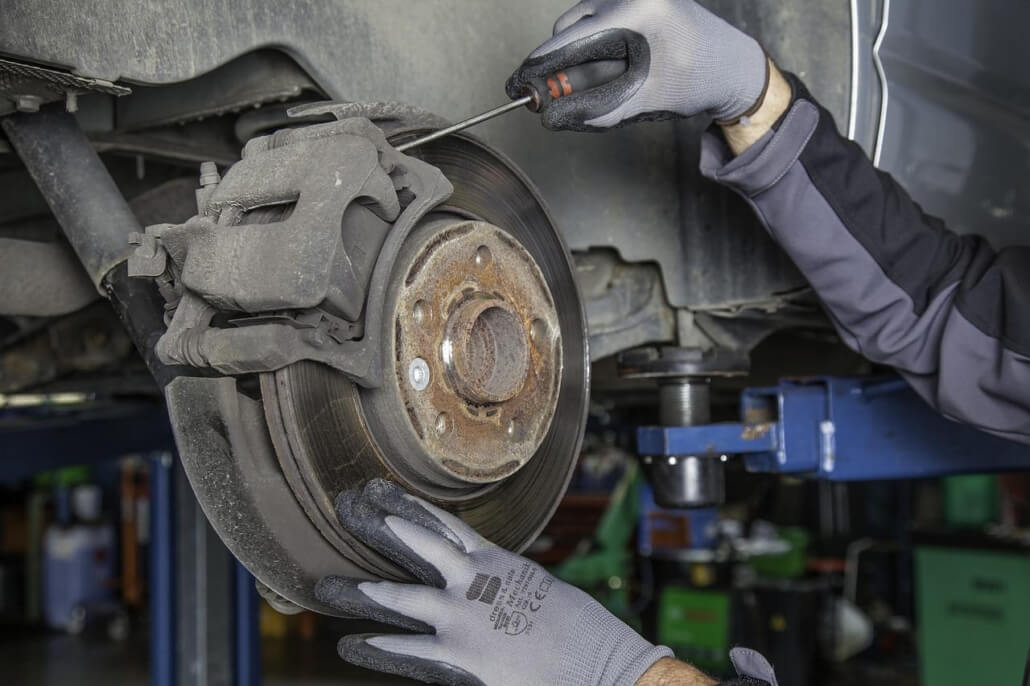
Plus, you should have an auto shop look at your brake pads. Depending your car’s make and model, and how often you drive, they may not need to be replaced, but you should at least have them inspected annually.
Lastly, you may or may not need to replace your car’s battery. Your battery should last for a handful of years, but there’s no harm in doing an annual check, especially since you can do it yourself. Firestone Auto has a great video tutorial to help check your battery without special equipment.
4. Tidy/wipe down your car
Having a clean space can instantly improve your mood. So, if you spend a lot of time in your car, it’s important to clean the inside of your vehicle.
The first (and most easy) task is removing all the trash. Get rid of any wrappers, cups, or food scraps. Then do a thorough wipe-down to get rid of any stains, spills, or scuffs.
Dip a rag into slightly soapy water and wipe down your steering wheel, center console, and seats. Avoid using a disinfectant wipe, as it can damage leather. Don’t scrub too vigorously, but make sure to scrub anything stuck to your interior. If your seats need a thorough clean, use a designated leather cleaner.
Then give your dash a quick swipe with a vinyl cleaner to help protect against the sun’s UV rays.
And while you’re at it, you should wipe your windows with some window cleaner. Do the inside and the outside so there are no streaks.
5. Check the conditions on your tires
Worn or damaged tires are dangerous, so you should check them once a month for cracks or worn tread. You may also need to rotate your tires, which you should do bi-annually.
For an in-depth examination, look for:
Give your car a bit of extra care this spring but a good clean isn’t everything – it won’t help protect it while on the road. Auto insurance is one of the best ways to protect your car if the worst happens.
Trucordia is here to answer your questions about your vehicle, whether it’s cleaning or car insurance. If you have questions about Trucordia, contact us via a phone call, text, or email. You can also use our booking website to schedule a visit. We’re here for your auto needs!


