
What To Do If The Power Goes Out
 When nasty weather hits it can be easy to say, “it won’t affect me, our power never goes out!” But, being prepared in the event that you do lose power will save you a lot of nervousness and more.
There are many things to consider when putting together an “out of power” kit. Simple things like blankets can be pulled off of beds, so consider other things like non-perishable foods, ways to light the house and core means to communicate.
Here is a list of items to consider for your powers out safety kit:
- Non-perishable food such as canned goods, crackers, noodles or vacuum packed tuna
- Water – make sure you have enough. Water goes fast when you use it for everything from brushing your teeth to other hygiene as well as drinking and cooking.
- LED flashlights. LED because they last about 5x as long on batteries.
- Emergency Radio or solar cell phone charger.
- Candles – Emergency candles can last 7 days burning 24 hours a day! Make sure you get the right ones. Many are also wind resistant.
There are many things to consider for your different types of emergency kits, but fortunately you’re at home! Some things to consider when the power is out at home:
- Unplug some of your more sensitive electronics. Electronics can become damaged when the power comes back on with the power surge.
- Keep your refrigerator and freezer closed as much as possible. If the power is going to be out for a while, it can help deter spoilage. If possible, remove more temperature sensitive items like meat and dairy to a smaller cooler and fill with ice on the top.
- If you suspect your food has spoiled, don’t risk it.
Generators are a great tool for when the power goes out, but they’re typically limited unless you have a whole house generator. If you’re going to use a generator, be sure to determine what appliances you want to run. Refrigerators require a large generator, so determine if it is even possible to run it. Using a generator to run lighting and small portable coolers is reasonable.
When the power goes out, be prepared.
If you have questions about your home, auto or commercial insurance, call the insurance agents at Trucordia. They have locations throughout Washington State in Olympia, Centralia, Vancouver and Marysville. They have years of insurance experience and can help you insure everything from your home to your auto or business Insurance. They live where you do and are an independent insurance agent, so they can help you find the right company to fit your needs. You can also check out their website, 24/7.
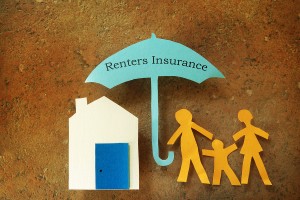 If you’re like 2 out of every 3 renters who rent a home, apartment or other dwelling, you don’t carry a renters insurance policy. The reason for not carrying renters insurance varies, but it is important to understand that your landlord is not responsible for your personal belongings if they are damaged, stolen or otherwise. You alone are responsible for your things, so protecting them with a renters insurance policy is important.
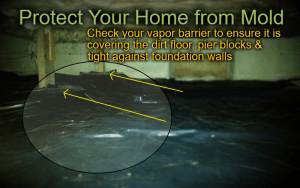 Every home in the US is vulnerable to mold damage and now that we’re coming into the cooler winter months, mold can thrive. Mold really needs one thing to grow: moisture.
 Fall is a great time to consider disaster preparedness and to take a look at your family’s emergency kit. While disasters can happen anywhere, whether natural or man-made, it is important that your family be prepared.
 We touched a couple weeks back on how simple pieces of technology can keep your home safe from burglary. Well, wouldn’t it be great if technology could help us avoid other claims like water damage, fire & freezing damage?
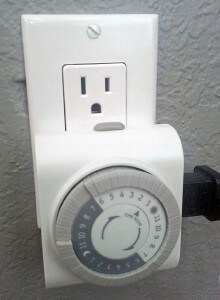 Ah, summer. A time where we enjoy the great outdoors and most often take our vacation for the year. Whether you’re traveling close to home on a short camping trip or headed off to Europe with the drones of other tourists, keeping your home safe while you’re away can be as simple as not doing anything differently. Ponder these points to keep your home safe from burglary while on vacation:
 So, you’ve got an Amazing Fantasy #15 comic book – the first appearance of Stan Lee’s Spider Man in a safe from when you were just a kid. What you probably know is that this item can be worth tens of thousands of dollars, but what you probably don’t understand is what happens if that item is lost, stolen or destroyed by a disaster in your home.
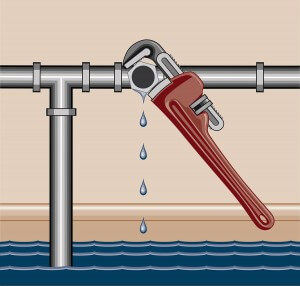 Sooner or later, a water source in your home will fail. Water damage is one of the most common home insurance claims and the average cost of these claims in 2014 was over $9,000. Water damage can be avoided but knowing what signs to look for is important. Common places to check are:
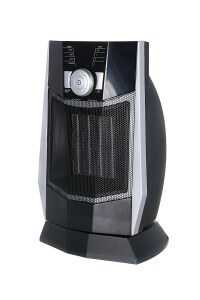 Space heaters are undeniably a convenient and efficient way to heat some spaces including garages, bedrooms and workspaces like shops or offices areas. But, an often overlooked fact with space heaters is the dangers that they may catch nearby items on fire.
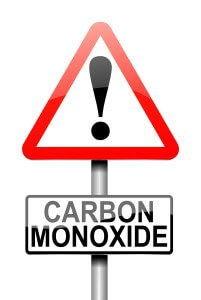 Our homes should be places of comfort, relaxation and memories. That’s why it is important to protect your homes from dangers such as fires, theft and one people too often overlook: carbon monoxide (CO).

